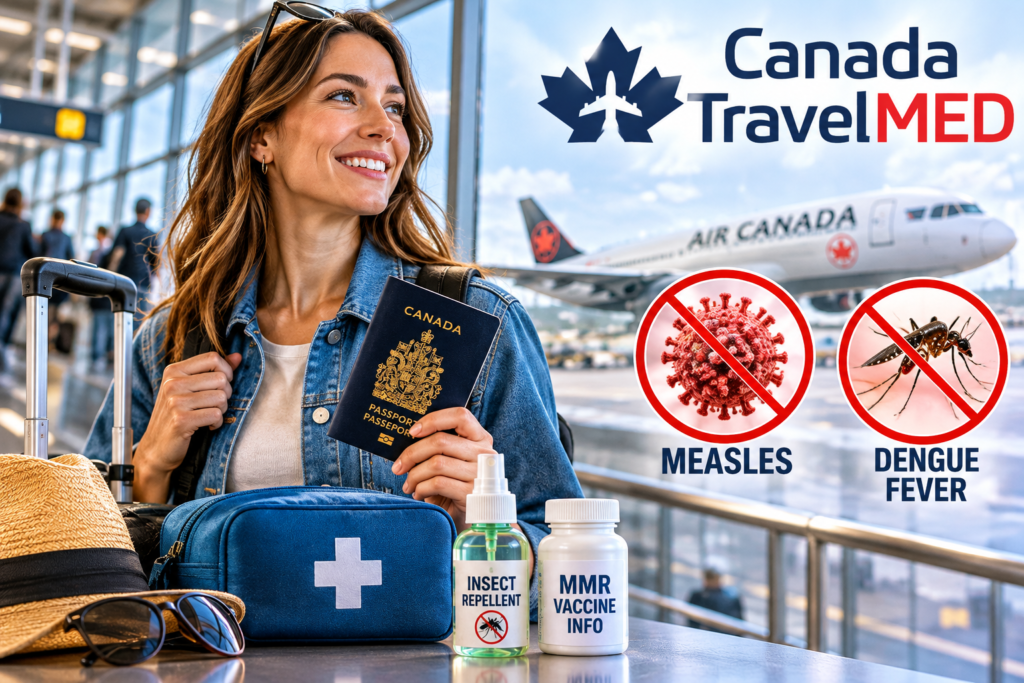
You have checked in on the Air Canada app, your luggage is tagged, and you are ready for takeoff. However, while you are focused on hotel reservations and resort itineraries, two major global health threats are currently dominating the travel medicine landscape: a worldwide resurgence of measles and rising dengue fever rates in the tropics.
Whether you are navigating a crowded departure gate at Toronto Pearson or stepping off the plane into a humid Caribbean breeze, your immune system is about to encounter unfamiliar variables. Before you board your next international flight, you need to understand the risks and prepare your medical defenses based on the latest guidelines from the Public Health Agency of Canada.
Planning an Upcoming Trip Abroad?
Get destination-specific health guidance, official vaccine prescriptions, and travel advice from our licensed Canadian healthcare team—all online.
Book Your Consultation100% Virtual Consultation Available • Accepted Across Canada
Key Takeaways for Canadian Travelers
- Check your routine immunization records specifically for the MMR vaccine prior to booking international flights.
- Implement aggressive, round-the-clock mosquito bite prevention when visiting tropical destinations to avoid dengue infection.
- Book a pre-travel medical consultation at least six weeks before your departure date to secure necessary protective measures.
- Monitor your health for up to 14 days after returning home and report any unusual fever or rash to a healthcare provider immediately.
- Pack a dedicated medical kit containing approved insect repellents, rehydration salts, and basic first aid supplies.
The In-Flight Threat: Measles in the Cabin
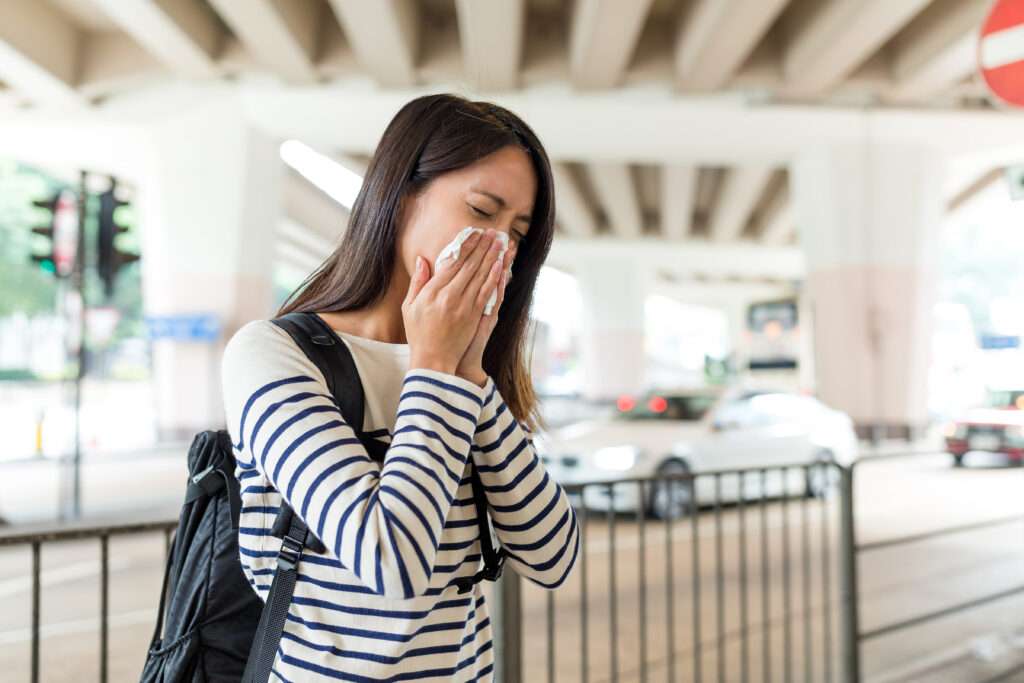
Measles is one of the most highly contagious airborne viruses in the world. Because the virus can linger in the air for hours after an infected person coughs or sneezes, airports and cramped airplane cabins act as prime transmission zones.
The Government of Canada currently maintains a global Level 1 travel health notice for measles, covering all countries. The risk of exposure during transit is incredibly real. In late 2026, health officials have had to issue multiple public exposure warnings for passengers travelling on international flights and transiting through Pearson International Airport.
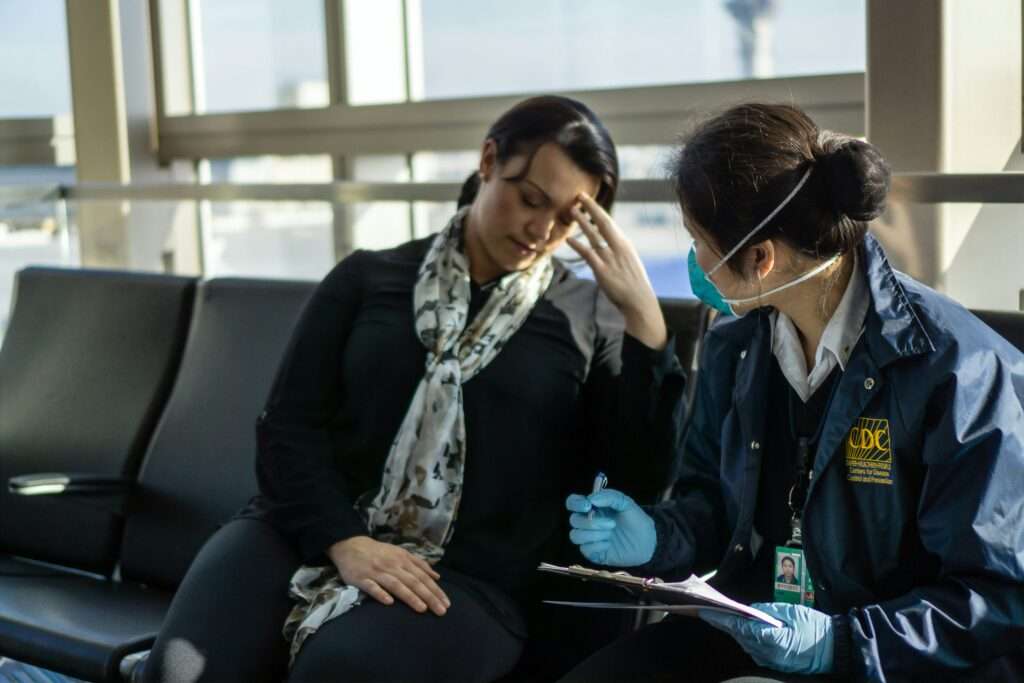
When exposure happens on a flight, symptoms—which include high fever, cough, runny nose, and a distinct red rash—can take anywhere from 7 to 21 days to appear. This means an exposure on your outbound flight could completely derail your vacation by the time you reach your destination.
How to Prepare
Protection relies heavily on routine immunization. Before travelling internationally, you must ensure your Measles, Mumps, and Rubella (MMR) vaccination status is up to date, following the Canadian Immunization Guide:
- Born before 1970: You generally need 1 dose of the measles vaccine, as you likely have natural immunity from when the virus was common in Canada.
- Born in 1970 or later: You require 2 doses of the vaccine for full protection.
Current Travel Risks for Dengue and Measles
Dozens of popular tourist destinations currently carry active Government of Canada Level 1 notices for dengue fever and measles. These official notices require Canadians to practice enhanced precautions throughout their trip. Dengue risk demands strict environmental awareness and bite prevention, while measles prevention relies entirely on verifying your personal immunization history before entering crowded transit spaces.
Globalization and high-volume air travel allow regional outbreaks to cross international borders in a matter of hours. When you step onto an aircraft, you share recycled air and close quarters with individuals from all over the planet. This environment makes airborne viruses particularly threatening. Simultaneously, tropical and subtropical vacation spots are experiencing longer mosquito breeding seasons, increasing the density of infected insects near resorts and popular attractions. Taking proactive steps at home prevents medical emergencies abroad.
If you are managing travel logistics from Brantford or coordinating a larger family trip out of Toronto, securing your health clearances early prevents absolute panic in the days leading up to your departure.
Essential Health Steps Before Boarding Your Flight
Preparing for an international flight requires booking a clinical consultation well in advance, assembling a personalized medical kit, and thoroughly reviewing the latest federal advisories for your specific destination. Taking these actions physically prepares you for the environment you are about to enter.
Relying on internet rumors or outdated advice from friends puts your health in jeopardy. You need medical facts. Here is the exact sequence of actions every international traveler should take before departure:
- Schedule a Clinical Evaluation: Visit a certified travel clinic preferably six weeks before your flight to review your medical history and itinerary.
- Audit Routine Immunizations: Bring your childhood and adult vaccination records to verify your MMR status and other baseline protections.
- Assemble a Destination-Specific Medical Kit: Pack approved insect repellents, fever-reducing medications, digital thermometers, and prescription refills in your carry-on luggage.
- Register with Federal Authorities: Sign up for the Registration of Canadians Abroad service to receive instant mobile alerts regarding sudden health or security emergencies at your destination.
- Purchase Comprehensive Insurance: Ensure your travel medical insurance specifically covers infectious disease treatment and emergency medical evacuation.
Following this sequence protects residents traveling from places like Hamilton or Burlington from unexpected medical bills and dangerous health complications while overseas.
The Destination Threat: Dengue Fever in the Tropics
Once you step off your flight in destinations across Latin America, the Caribbean, or Southeast Asia, the primary health threat shifts from airborne viruses to vector-borne diseases.
Dengue fever is endemic in more than 100 tropical and subtropical countries. Unlike malaria-carrying mosquitoes that primarily strike at night, the mosquitoes that transmit dengue bite actively during the daytime. The Government of Canada has active Level 1 travel health notices for dengue in popular destinations ranging from Cuba and El Salvador to Malaysia and Vietnam.
Most dengue infections cause severe flu-like symptoms, including sudden high fever, intense headaches, pain behind the eyes, and debilitating muscle and joint pain. In severe cases, it can cause dangerous bleeding and organ complications.
How to Prepare
Currently, there is no dengue vaccine available in Canada. Therefore, protection requires rigorous, all-day vector defense strategies:
- Medical-Grade Repellent: Apply an approved insect repellent containing DEET or Icaridin to all exposed skin, reapplying exactly as directed throughout the day.
- Strategic Clothing: Wear loose, light-coloured clothing made from tightly woven fabrics like nylon, keeping your arms and legs covered in high-risk environments.
- Room Environment: Choose accommodations with secure window screens or air conditioning, and use a mosquito net if you are sleeping outdoors or in open-air lodging.
Navigating Dengue Fever Risks on Tropical Vacations
Dengue fever is a viral infection transmitted by infected Aedes mosquitoes that actively bite humans. This can occur during both daylight hours and at night, making constant application of DEET or Icaridin repellents mandatory. There is currently no widely available vaccine approved for travelers within Canada.
This means your physical defense strategy is your only protection against the virus. The mosquitoes responsible for spreading dengue thrive in urban environments, semi-urban areas, and standing water near hotels. An infection typically begins with a sudden high fever, severe headache, pain behind the eyes, and intense muscle aches .
Travelers heading to the Caribbean, Latin America, Southeast Asia, and parts of the Pacific must remain vigilant. Protection requires wearing light-colored, tightly woven clothing that covers the arms and legs. Utilizing a treated mosquito net is highly effective when sleeping in rooms without air conditioning or proper window screens.
Securing the right insect repellent and learning proper application techniques is just as important as remembering your passport when traveling to dengue-endemic zones.
Disease Comparison Matrix for Travelers
Understanding the different characteristics of these two major travel threats helps you tailor your daily habits while abroad.
| Characteristic | Dengue Fever | Measles |
| Transmission Method | Bite from an infected Aedes mosquito | Airborne via respiratory droplets from coughing or sneezing |
| Primary Risk Areas | Tropics, subtropics, Latin America, Southeast Asia | Global transit hubs, airports, areas with active outbreaks |
| Early Symptoms | Sudden high fever, severe headache, eye pain, joint ache | High fever, cough, runny nose, distinctive full-body rash |
| Canadian Vaccine Status | No vaccine widely available for travelers | Standard MMR vaccine readily available and highly effective |
| Primary Prevention | DEET/Icaridin repellent, protective clothing, bed nets | Verifying 1 or 2 doses of the MMR vaccine based on birth year |
Get Flight-Ready with Canada TravelMED
Do not wait until you are zipping up your carry-on to think about your health. With Canada TravelMED, preparing for these global health risks is incredibly simple.
Instead of facing city traffic to visit a physical clinic, you can book a virtual consultation from your living room. Our expert travel clinicians will evaluate your exact itinerary, review your childhood vaccination records to confirm your measles immunity, and strategize your dengue defense.
If you need an MMR booster, a prescription for malaria pills, or a standby traveller’s diarrhea kit, we instantly transmit your prescriptions to your preferred local community pharmacy. Your local pharmacist fills the order and administers your injections right there in their consultation room.
Travel with absolute confidence. Book your virtual consultation today and let Canada TravelMED protect your next adventure.
Frequently Asked Questions
What should I do if I get bitten by a mosquito in a dengue zone?
Monitor your health closely for up to 14 days after the bite and seek immediate medical attention if you develop a sudden fever, severe headache, or unusual bruising. Since there is no specific medication to cure the virus, early clinical supportive care is essential to manage complications and prevent severe shock.
Do I need a measles booster if I was vaccinated as a child?
Adults born in 1970 or later require documented evidence of two doses of a measles-containing vaccine to be considered fully protected for international travel. If you lost your medical records or they’re incomplete, a simple blood test can determine your current immunity levels, or a healthcare provider can safely administer another dose. For official vaccine recommendations, refer to the CDC measles travel information hub.
What insect repellents are actually effective against dengue mosquitoes?
Health authorities strongly advise using insect repellents containing active ingredients like DEET or Icaridin applied directly to exposed skin. Natural or alternative bug sprays often lack the duration and strength necessary to deter the specific Aedes mosquitoes that carry the virus.
Can infants travel safely to areas with active measles outbreaks?
Infants between six and twelve months of age can receive an early dose of the measles vaccine if traveling to a high-risk area is absolutely unavoidable. However, this early dose does not replace the routine childhood vaccination schedule, and the child will still need the standard two doses starting after their first birthday.
Nationwide Virtual Travel Health Consultations
Because our travel health consultations are entirely virtual, we support travellers across every Canadian province. Canada TravelMED instantly sends your electronic prescriptions and immunization schedules to your local community pharmacy in the following major metropolitan areas and all of their surrounding rural regions:
| City | Province | City | Province |
| Toronto | Ontario | London | Ontario |
| Montreal | Quebec | Victoria | British Columbia |
| Vancouver | British Columbia | Halifax | Nova Scotia |
| Calgary | Alberta | Oshawa | Ontario |
| Edmonton | Alberta | Windsor | Ontario |
| Ottawa | Ontario | Saskatoon | Saskatchewan |
| Winnipeg | Manitoba | Regina | Saskatchewan |
| Quebec City | Quebec | St. John’s | Newfoundland and Labrador |
| Hamilton | Ontario | Kelowna | British Columbia |
| Kitchener | Ontario | Barrie | Ontario |
If your specific town is not listed above, our virtual network has you covered. As long as you have an internet connection and a local community pharmacy, you can get departure-ready without the commute.